My mom has been planning her own death for about fifteen years.
She photographed everything in the house she thinks is valuable and asked us kids to "sign up" for what we want. She carries a Neptune Society card in her wallet, because she already paid for her own cremation. She has told me, more than once, exactly where the paperwork lives.
Some of this is just my mom. She comes from Germanic and Swedish stock, and she is prepared for everything, to a degree that borders on obsessive. We laugh about it. We're also deeply grateful. The Swedes even have a word for what she's doing: döstädning, or "death cleaning," the practice of sorting your own things before you die so your family doesn't have to.
For the record, she's very much alive. She's slowed down, but she's still feisty, and still thinking up ways to renovate and improve properties.
She does this because she's done it before. She took care of her own mother until the end, so she knows what lands on the people left behind. Now I live with her, and I'm returning the favor.
I'm writing this in the first days of November, which feels right. Whether you mark Samhain, All Saints' and All Souls', or Día de los Muertos, these days have carried the same idea for centuries: remember the people who came before you. People say the veil is thin this time of year. I believe it.
It's a little morbid. It's also one of the most loving things a parent can do. And with the holidays coming, when families are finally in the same room, it's a good time to talk about the part nobody wants to bring up: what happens to the house.
The house isn't really the hard part
The hard part is that your heart is broken, and you still have to function.
A house holds someone's whole life. Their coffee mug is still by the sink. Their coat is still on the hook. Walking through it can feel like walking through the shape of their absence. And while you're grieving the person, you're also supposed to empty it, fix it, or decide what happens to it.
When my father died, it was the hardest thing I've ever done. I couldn't see straight. Some days, breathing took effort. So I won't pretend this part is just logistics. Years ago in San Francisco, I was a regular at an open mic called You're Going to Die, a room full of people reading about loss. I read elegies there. I've learned I can sit with grief, and I can sit with you in it.
And then, on top of all of it, there's the paperwork. Wills, probate, title, who inherits what. I'm writing a plain-English guide to that part, and it's coming. This one is about the conversation.
The holiday-table list
This is an awkward conversation, so don't wing it. Bring a list. Here's one to start with:
• ☐ Is there a will? Where is it? Is it current, or from when you were a toddler?
• ☐ Who's the personal representative? Do they know?
• ☐ Whose names are on the deed?
• ☐ Is the house in a trust, or is there a transfer on death deed? Was it recorded?
• ☐ Is there a power of attorney for while they're alive?
• ☐ Where are the important documents? Can you keep copies?
• ☐ Who are their doctors, attorney, and financial advisor?
• ☐ Any final wishes already arranged? (My mom's Neptune Society card counts.)
• ☐ Is anything already promised to someone? Photos and sign-up sheets welcome.
You don't have to finish it in one sitting. Getting through half is a win. If any of those terms are new, my upcoming paperwork guide will explain them.
Then there's the house itself
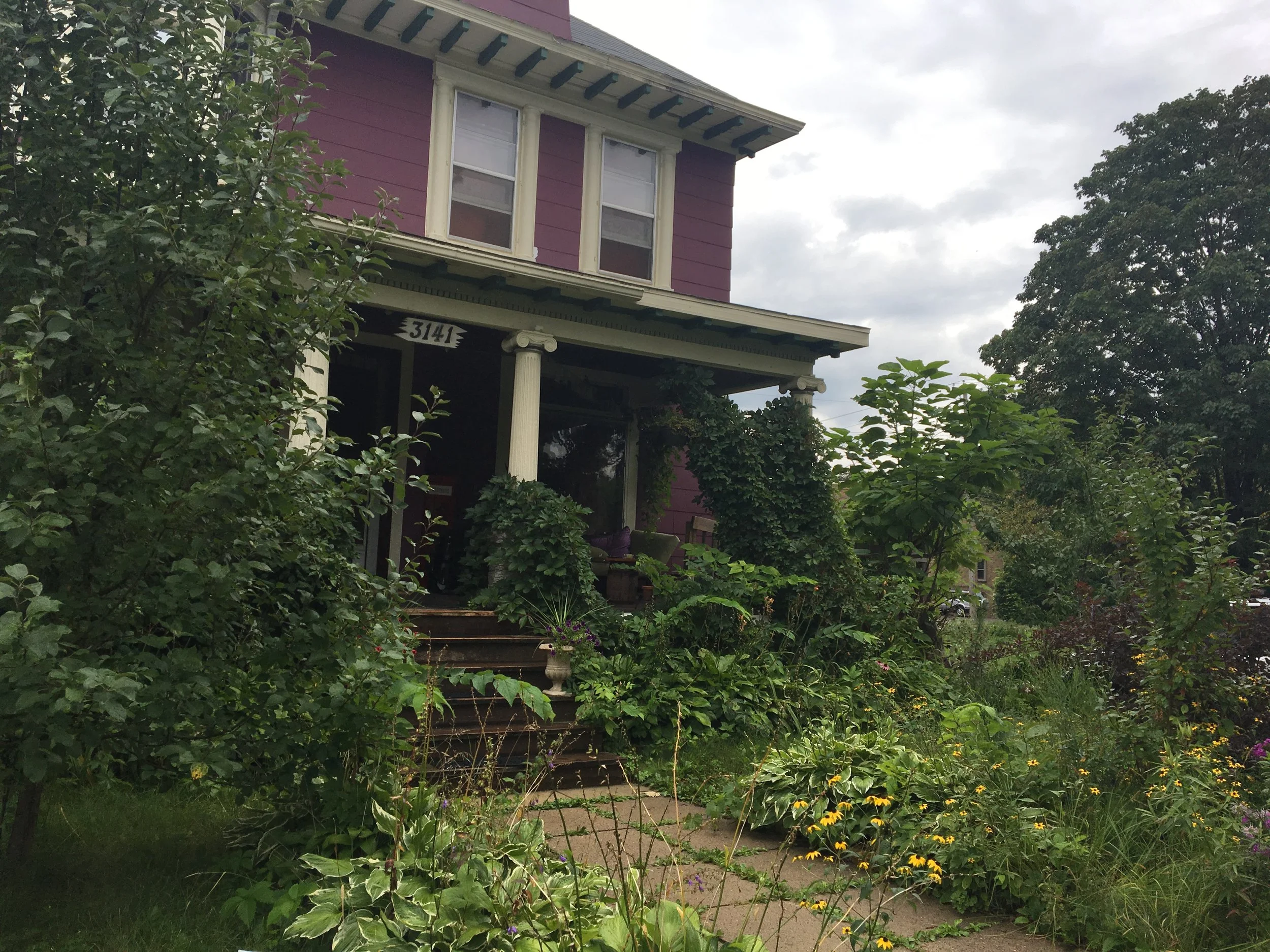
I'm not here to judge how anyone handles caring for their parents. Some families move a parent into a home, some hire help, some move in. Every family does what it can.
But eventually, the house usually gets sold. And a house someone has lived in for 30 or 40 years almost always needs some work before it goes on the market.
There are really two ways to go:
Fast. Sell as-is, often to an investor or cash buyer. Less money, but it's done, and you don't have to empty every closet first.
Top dollar. Clear it out, make some repairs, maybe paint and stage it. More money, but more time and more decisions.
Neither is wrong. Grief makes every decision heavier, so sometimes speed is what matters most, and getting it done is the gift you give yourself. Other times, the house is the biggest thing your parents left, and it's worth the extra months. I can walk you through what each path would look like for your specific house.
You don't have to find all the people yourself
The paperwork is one problem. Forty years of belongings is another. Over the years I've built a list of people I trust for exactly this: estate attorneys, title, organizers, estate sale companies, and the folks who haul away what's left.
If you need help, call me first. I'll connect you with the right people so you're not starting from a Google search at the worst possible time.
I've sat at this table
I'm not an attorney, and nothing here is legal advice. Every family and every estate is different, so talk to an estate attorney about yours. If you don't have one, my cousin Brooke Krekow is an estate attorney who helps families with their wills, and I'm happy to introduce you.
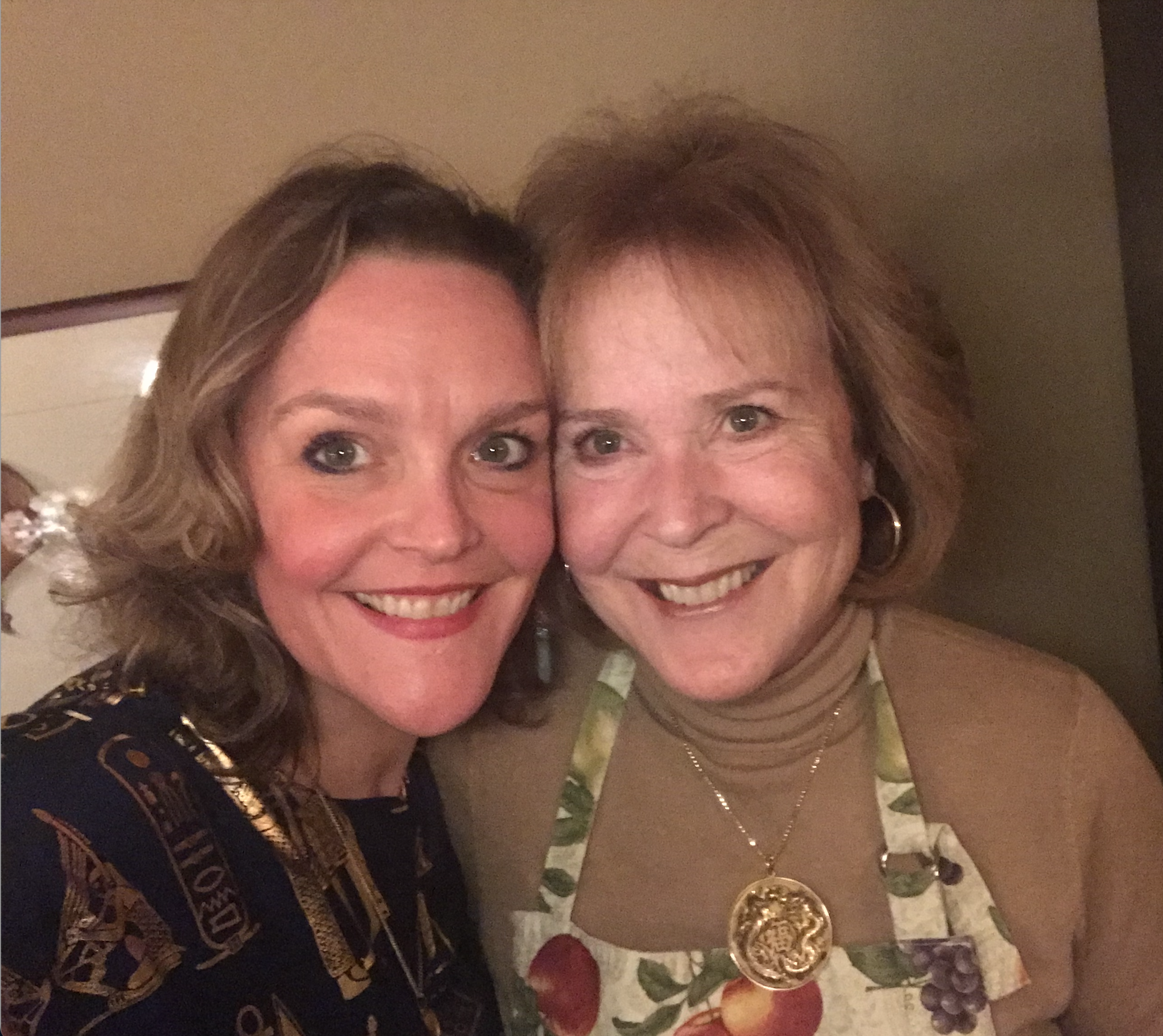
Me and my mom, very much alive and still full of opinions about the house.
But I’ve sat at this table, as a daughter and as a broker. My mom sat here first. She was a broker too, and she’s still teaching me about legacy, now as a mom. If there’s a house in the picture, or there will be someday, I’m happy to talk through what it’s worth and what your options look like. Just a conversation, the kind people have at a table.
We talk about real estate as legacy, and it is. It's land, and it's money. But it's also something closer to a love line, running from the people who raised us to whoever comes next. This Thanksgiving, I'll be at our cabin in the woods with the people I love, grateful for where I came from, for the life I have now, and for whatever lies at the end of it.
And if you get through that list over pie this year, my mom would be proud of you.
Xan Roberti · eXp Realty · 206-844-5518 · xan.roberti@exprealty.com